
When you are working on your interiors, deciding what to do about the windows is crucial. For instance, you have to consider whether you want to put shutters on the windows or you can go for sliding windows. Another concern is entry of air and light into the rooms.
Deciding on such issues will assist you in making an informed decision when choosing from the many options that are available in the market.
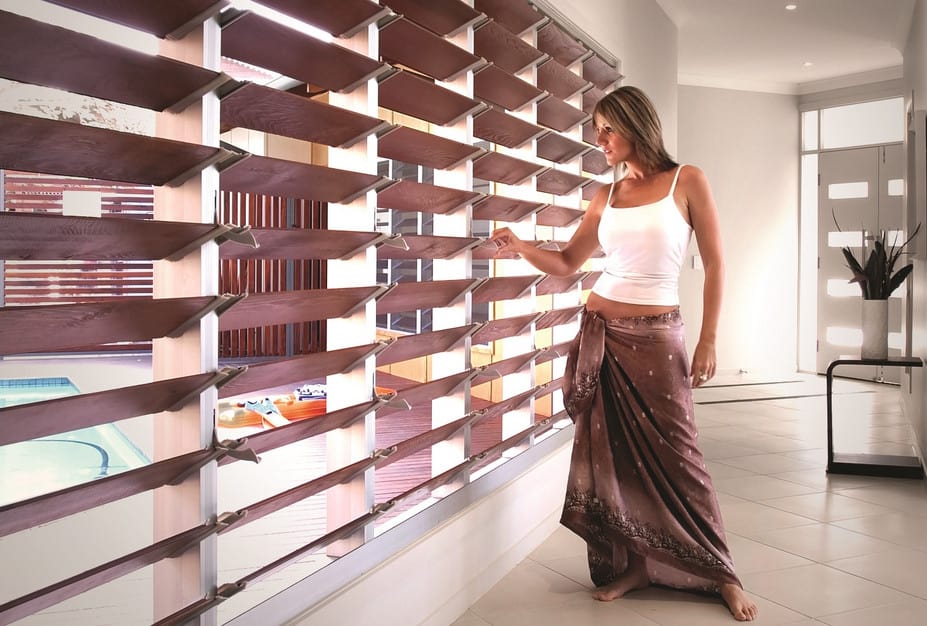
You can choose between having your windows covered with either louvre or vertical shutters. Louvres are horizontal. They offer the window an appealing look and also allow for maximum light and air to enter the room as needed. You also get to enjoy maximum privacy with these shutters while still enjoying a comforting breeze and natural light.
You can easily make louvres. You just need to do the layers properly and have a router to align the shutters on the window. It is possible to make the shutters using materials such as metal, plastics, bamboo, and wood. If you keep the shutters well aligned to each other, then you can get an appealing look.
However, it is important to note that wooden ones may experience problems with time such as rotting in case the area is damp. They may also crack if the area around them is extremely hot.
You may also opt to install false louvres. They make windows look like they have separate louvres but it’s actually a single louvre that doesn’t allow light or air into the room unless the entire louvre window is opened. It is recommendable to install such louvres in areas such as storage rooms where lighting is not a necessity or areas that do not require frequent airing.
A key problem with operating louvres is ensuring that all the components that move work together and move in union with each other to produce uniform movement as needed. You will also require the right tension and strength applied and failure to do this might make the shutter fail to function properly or become damaged.
Always handle them with care and ensure that the area you’re planning to install them is safe enough for the shutters. For instance, the shutters may get damaged easily when installed on an exterior area where there are high temperatures or heavy winds.
You may opt to have them installed in the interior where they will be safer from exposure to harsh weather elements. Hence, they will serve you for a longer period. In case you want to have them on a wide glass window, especially in the office, then you can go for horizontal vinyl shutters.
They offer privacy while still allowing you to view the nature outside. Some offices go for those made of bamboo to get a sophisticated and sober feel in the room.
Louvres allow maximum amount of natural light into a room and you always have your privacy while they are still open. They are available in a wide range of styles to choose from. You can always get a design of your choice from the multiple types available. Click here for more information on our louvre windows in Sydney.